Why Cosmetic Bottles Matter More Than You Think
When consumers pick up a skincare or cosmetic product, the first thing they interact with is not the formula — it’s the bottle.
Cosmetic bottles play a critical role far beyond simply holding the product.
They influence user experience, brand perception, and even product stability.
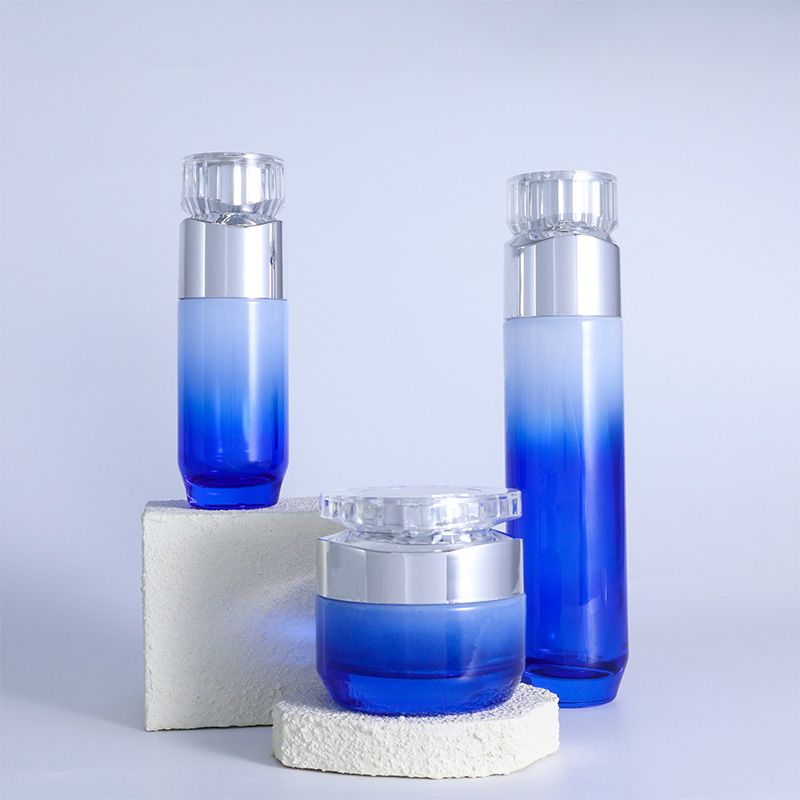
Structurally, a cosmetic bottle typically consists of multiple components, including the container body, neck finish, sealing system, and dispensing mechanism.
Neck finish accuracy affects how well pumps or droppers fit, while poor sealing design can lead to leakage during transportation or long-term storage.
Material selection varies significantly depending on product type.
Serums and active skincare formulas often favor glass bottles or high-barrier plastics to reduce oxygen permeability.
Lotions and cleansing products commonly use PET or PP materials to balance durability, weight, and cost efficiency.
In recent years, brands have paid increasing attention to functional details during actual use.
Pump smoothness, dosage control, and bottle grip comfort all contribute to overall satisfaction. These small factors often determine whether consumers repurchase the same product.
For export markets, cosmetic bottles must also withstand long-distance shipping and varying climate conditions.
Glass vs Plastic Cosmetic Bottles-How Brands Make the Right Choice
The Practical Use of PCR Materials in Cosmetic Bottle Packaging