Airless Bottles Explained-Structure and Real-World Applications

As skincare formulations continue to evolve, more brands are turning to airless bottles as a primary packaging solution.
Unlike traditional pump or dropper bottles, airless packaging offers more than a premium appearance — it delivers clear functional advantages rooted in its structural design.
Instead, they use a piston or rising base system that pushes the product upward with each press.
This mechanism significantly reduces air exposure, helping prevent oxidation.
For formulations containing active ingredients such as vitamin C, retinol, or peptides, minimizing air contact is essential for maintaining stability and efficacy.
Each pump delivers a controlled and uniform amount of product, allowing consumers to manage usage more precisely. This improves user experience while reducing unnecessary product waste — a feature highly valued in performance-driven skincare lines.
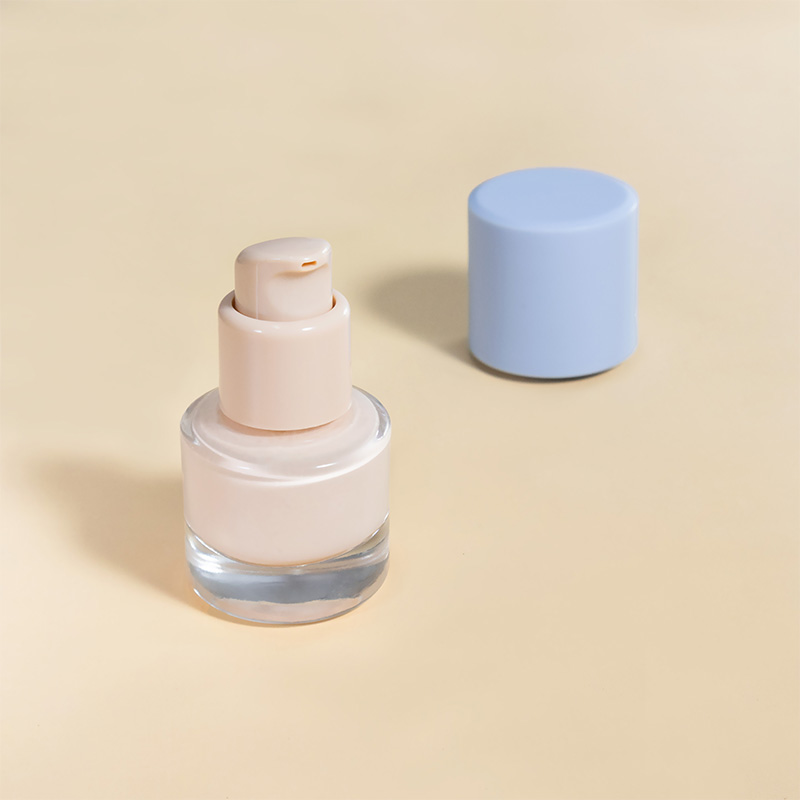
In real-world applications, airless bottles are widely used for serums, lotions, eye creams, sunscreens, and post-treatment skincare products.
Wall thickness uniformity, piston fit accuracy, and sealing performance all influence long-term usability. For export-oriented brands, working with experienced airless bottle manufacturers helps ensure reliable quality and reduces after-sales issues.
Pump Dropper or Spray Choosing the Right Dispensing System
Glass vs Plastic Cosmetic Bottles-How Brands Make the Right Choice