Glass vs Plastic Cosmetic Bottles-How Brands Make the Right Choice
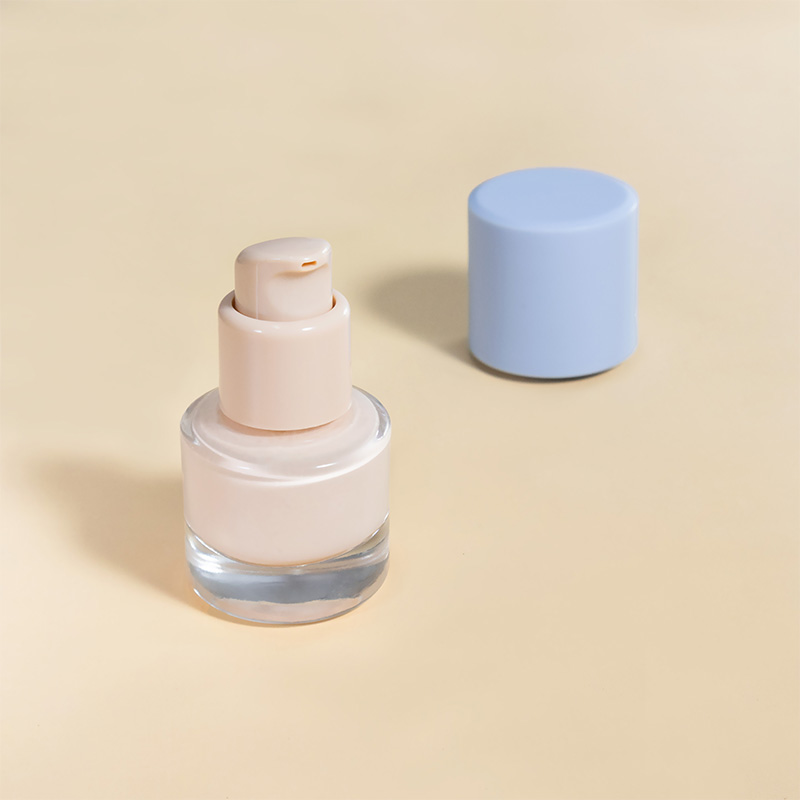
When developing cosmetic packaging, choosing between glass and plastic bottles is one of the most common decisions brands face. This choice affects not only cost control, but also product positioning, user experience, and market acceptance.
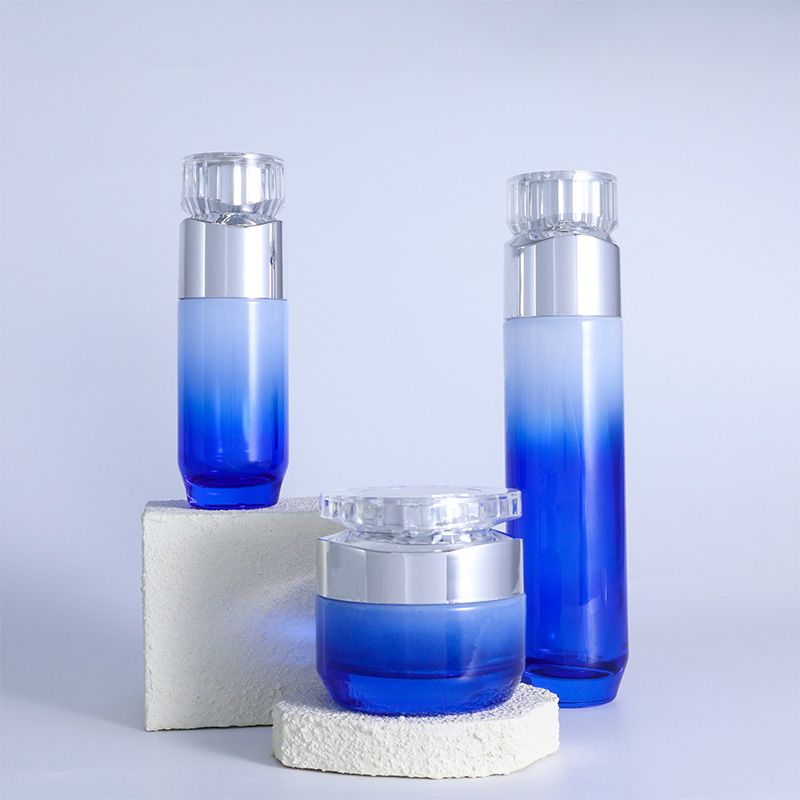
Glass cosmetic bottles have long been associated with a premium image. One of their key advantages is excellent chemical stability and low permeability, making them suitable for serums, ampoules, and formulations with active ingredients.
Glass provides strong barriers against oxygen and moisture, helping maintain formula integrity over time. Its weight and tactile feel also contribute to a perception of quality.
However, glass bottles come with limitations. For brands focusing on lightweight products or travel-friendly formats, glass may not be the most practical option.
Plastic cosmetic bottles, on the other hand, are widely used across global markets.
Common materials include PET, PP, PE, and multi-layer plastics. Plastic bottles are lightweight, impact-resistant, and offer greater flexibility in mold design.
With surface finishing techniques such as spraying, electroplating, or matte coating, plastic packaging can achieve visually appealing results comparable to glass.
Performance-driven skincare products often favor glass packaging, while mass-market or high-frequency-use items typically choose plastic to balance cost efficiency and logistics.
Airless Bottles Explained-Structure and Real-World Applications
Why Cosmetic Bottles Matter More Than You Think